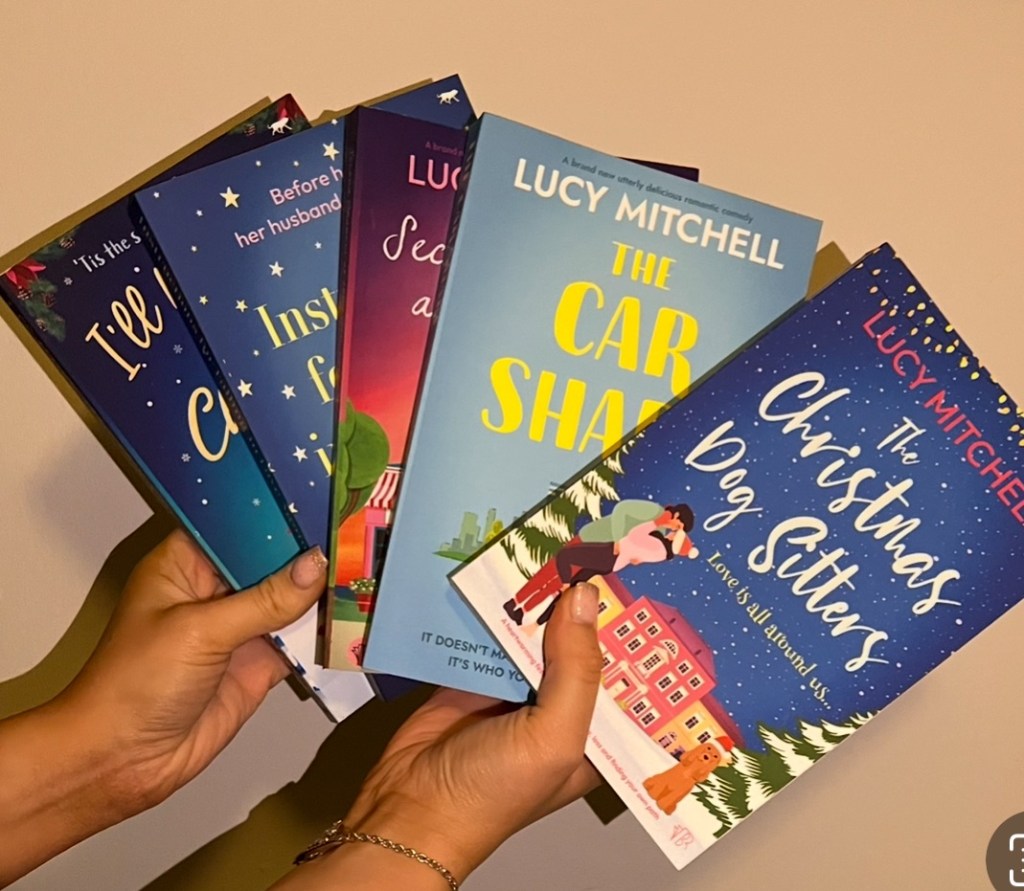
🦋 What Taylor Swift Can Teach Writers About Symbolism

Featured

Help – I have fallen down the rabbit hole of symbolism in writing! Last week’s post on the symbolism of doors sparked something within me.

I wouldn’t say I was a Swiftie with regards Taylor Smith but I do have an appreciation of her music especially her albums; Midnights and The Tortured Poets Department. Both of these albums contain songs which are forever playing on my playlists.

I do think Taylor Swift is more than a singer / songwriter. To me she’s a master storyteller. The way she uses objects, colors, numbers, and repeating motifs to make her songs come alive, boggles my fiction writing mind.

When it comes to symbolism I think we can learn a lot from Taylor Swift:

Signature symbol. I love how the number 13 follows her across her albums, eras and performances. The number 13 needed Taylor Swift to take it under her wing as up until she came along it didn’t have great street cred. What can we learn from this? Give your protagonist or story a recurring object, number, or phrase that becomes uniquely tied to them. This could be a piece of jewelry, a meaningful song lyric, or even a personal superstition that appears at key moments.

Use of colours. I love how each album has a distinct colour palette and there is always meaning behind it. Her album, Lover, is bathed in a soft pastel pink which represents love and warmth. Grey and neutrals for her album, Folklore, to me were about nostalgia and Midnights was dark blue and lavender signifying introspection and mystery.

Small objects carry big meaning. This is my favourite part. Taylor does this very well. She gives small object so much emotional weight. Here are a few examples:

A scarf becomes a symbol of love and loss (All too well).

mirrorball represents fragility and self-reflection (Mirrorball).

cardigan is comfort and memory wrapped in one (Cardigan).

What can we use from this? Pick one or two objects in your story and let them evolve with your characters. Maybe a chipped mug follows your character from their old life into their new one, symbolizing what they carry with them.

Symbolism turns Taylor’s songs into things that linger in your mind long after they have stopped playing. It gives her songs a narrative emotional texture — that extra layer that makes listeners pause and say, “Ohhh, I get it.”

We can learn from her.

Things I am learning from Taylor Swift:

Choose one object, one color, and one repeated idea.

Plant them early in my story.

Letting them grow in meaning as my characters change.

I can’t leave this post without giving you my top 5 Taylor Swift songs:

  1. Mastermind (Midnights)
  2. So, Long London (TTPD)
  3. Look what you made me do (Reputation)
  4. My tears ricochet (Folklore)
  5. The Prophecy (TTPD)

Would love to hear your thoughts and your top 5 Taylor Swift songs 🦋

🎤 ❤️

If you want to know more about me click here
🚪 5 Things About Using Doors in Your Writing #MondayBlogs #Writers

Featured

I have been reading about how doors can be used as writing devices, and I am obsessed. You’re probably reading this and thinking, Lucy Mitchell needs to get out more…

But…I am not the only one thinking about doors…

A few days ago, I listened to Taylor Swift on the New Heights podcast, and she talked about her dramatic exit through an orange door during the final Eras Tour show, which was no accident—it was what she referred to as one of her carefully placed Easter eggs. Unlike her usual exit via elevator, this one symbolised both an ending and a beginning. I was writing this blog post at the time and suddenly felt Taylor Swift and I were on the same wave length. Sigh!

Useful article on Taylor’s orange door here.

I didn’t realise how doors can be used as powerful symbols.

In my writing, I have never thought about using doors as symbols or tools. In my stories, characters are constantly slamming them shut when they are having a temper tantrum or an emotional outburst. But I have never intentionally used them.

But now after my research I think doors offer us so much more:

Symbols. Doors can have lots of symbolic meanings which we can use in our writing. Symbols can convey things to your reader

  • A closed door can mean opportunity denied or hidden secrets.
  • An open door can suggest freedom, an invitation or vulnerability.
  • They represent a choice or the act of making a decision.
  • Doors can represent escape.
  • An open door can mean hope.
  • Doors can represent barriers that need to be overcome.

Character insights. How a character interacts with a door can show a number of emotions. What doors do they keep shut and does this show avoiding confrontation?

Symbols of Opportunity and New Beginnings. A door opening and entering a new phase and chance for change. Think Alice in Wonderland. Alice stepping through the small door into Wonderland.

Plot catalyst. Doors can move your plot forward. They can be used to act as portals to other worlds, revealing secrets or a forgotten past or trigger events,

Internal reflection. Hesitation at the door can show fear, doubt or anticipation. Forcing the door open can show urgency, desperation or defiance.

Passageway between two worlds. This is probably my favourite. I am a huge fan of The Secret Garden by Frances Hodgson Burnett. In this the door is used as a passageway from isolation to connection. On one side you have Mary’s old, stifled existence and on the other a works full of possibilities and connection. The door is also a passageway between the old world of death and neglect to healing and self discovery.

Doors in Romance and Relationships
Metaphor:
“opening the door to love.” Great way to use physical space to mirror emotional journeys.

The next time your character approaches a door, ask yourself what it means – not just where it leads…..🚪

Learn more about me here.

Door pics from Canva

📝 10 Things That Helped Me Revise My Draft Novel

Featured

On Friday, I finished revising my latest draft novel. I think this novel has added a few more grey hairs and definitely a new wrinkle or two. I have now sent it to someone important (will tell you more in September – high-pitched squeal), and I can start writing my next book, which is desperate to get my attention.

I wanted to document the things that have helped me get through the revision of my draft novel, because it hasn’t been easy and I need some sympathy….

This book was planned out last year, and I wrote a messy short first draft last year. I rewrote it in April and May. So, the revision I have just done is the third draft.

  1. Feedback. I used a professional novel critique service (Elspells), which is one I have used before. There was a cost, but I trust Ellie, and even though her feedback was painful at times, I know she wants to see my draft novel improve and be the best version it can be.
  2. Post Feedback Emotional Breakdown. This was needed. I had to grieve for the old version of my draft novel, and I had to say goodbye to a character and a few storylines. For this, I needed a box of tissues, chocolate and my dog to hug me.
  3. Pocket Notebook. I found that new ideas for my revision didn’t come to me when I was sitting at my desk. They arrived while I was on the train, the bus or in the car. They appeared in the supermarket or shopping for clothes, and at the coffee machine at work. Carrying this notebook around with me has been useful.
  4. Shelved Novels. I have written 12 complete novels, and I have 6 half-finished, shelved novels. Only 5 of the 12 have been published, so I have a lot of characters, plots, and settings that didn’t work the first time but could be extracted and used in this new book. So, I went on a scavenger hunt through my old files.
  5. Junk Journalling. When I wasn’t writing, I was junk journalling, and this has proved useful as it is a great stress reliever for me. I think my brain needs a few creative outlets to work on. There is something magical about sitting down with glue, journal material, stickers, scraps of junk, and a blank journal.
  6. Kitchen dancing. Dancing whilst revising is a must. The kitchen at night became my dance floor, and let me tell you – I got creative with my arms and legs! A clap combined with a high leg kick is good for writer’s block. Just be careful you have no hot pans on the stove.
  7. Painful changes first. I worked on the painful modifications first. It was tough.
  8. Spreadsheet. I set up a revision spreadsheet, listed all my changes and ticked them off as I went.
  9. Red lipstick. I wore red lipstick as I made the big changes, like removing characters. It’s a power move.
  10. Read a different genre. I switched to non-fiction books while I was revising. I find that if you read the same genre you will find the book you are reading appearing on the page.

Revising your draft novel is tough, and it is a long, dark tunnel but you must keep moving.

Never lose hope and keep writing.

Learn more about me here

💔 10 Things Not To Say To A Romance Author Writing a Breakup

Featured

I am currently crafting the emotional wrecking ball part of my draft romance novel – the breakup 💔

It’s a tense and my emotions are all over the place.

This is not the time for witty comments from loved ones who have never written or read a romance novel in their life.

Here are some things not to say to a romance author writing a breakup:

  1. Can’t you just let them stay friends?”
  2. Didn’t you write a break-up in your last book?”
  3. Can’t they break up via text?”
  4. Didn’t they just get together two chapters ago?”
  5. Is he based on me?”
  6. is this based on us?”
  7. You seem really into this – should I be worried?”
  8. Why are you crying over something that is made up?”
  9. “I thought romance books were supposed to be fun?
  10. You know it is not real – don’t you?”

I am going to carry on writing the heartbreak 💔

Learn more about me

📚 10 Lessons I Learnt With 5 Published Books

Featured

Back in 2017, I decided to write my first full-length romance novel. Before this, I had written a dodgy space rom-com and a romance series, which was written via thirty-four weekly blog posts, called The Diary of Roxy Collins. One day I must turn her into a book.

The thought of being published back then felt like a pipe dream. It was something that happened to other people, not to someone like me.

After much daydreaming and procrastination, I had to set aside the dream of being published and focus on learning how to write a romance novel. This book would become “Instructions for Falling in Love Again.”

My first book was published in 2023 with Bloodhound books.

Here I am today, with five published books behind me, and I am ready to share the lessons I have learnt.

  1. Every book teaches you something different. It could be plot, character, setting or something about yourself. Book ideas don’t always come to you because they are meant to be turned into books. Most ideas come to teach you something.
  2. Every book will break you in some way. It’s true. They will either break you emotionally or mentally. At some point you will want to lie down by your desk, curl up in a ball and weep. Every book of mine has done this to me. Some break me at first draft stage, some second draft however most break me when I have to make harsh changes like deleting characters, large chunks of my plot and my book no longer feels like the one I first wrote.
  3. Editors are wonderful people. They are the unsung heroes of the book world,
  4. A book is never finished. I still think about my 5 books and what I would do to improve them.
  5. Promoting books never gets easier. To be an author you have to find new ways of promoting your book and you will have to be okay when your carefully crafted social media posts don’t perform.
  6. Reading is your rocket fuel. If you can’t write – read!
  7. Writer’s block is more likely to be due to tiredness/exhaustion/stress/burnout. Always try resting or taking a break first before you try and alleviate your writer’s block.
  8. Honest beta readers are invaluable. If you can find honest beta readers you are onto something good.
  9. Rejection never goes away. This is true. Rejection still happens even when you are an established author.
  10. Conflict. It’s all about the conflict. This is the secret sauce for any book. If you want to write a good book – add a good spoonful of conflict,

And I still feel like a beginner when it comes to writing a book 🤣

Learn more about me here

📝 10 Things Not to Say to a Writer When They’re Editing

Featured

Editing – that magical time when a writer transforms their messy, overcaffeinated draft into something extraordinary.

It is not for the faint-hearted. A writer will journey to hell and back during a book edit.

Please treat your writer with care as they are performing a miracle and don’t say any of the below. I have added my thoughts alongside each one.

  • “You’re still working on that book?” – if you want to be really annoying place emphasis on the word ‘still’ and combine this with a look of concern.
  • “How long can it take to fix a few typos?” – the person who says this knows nothing about editing and deserves to have a cushion thrown at them.
  • “Didn’t you already write this?” – this deserves another cushion to be chucked in their direction.
  • “Can I read it?” – definitely not!
  • “It can’t be that bad.” – For top tier annoyance – follow this up with – “When I eventually write my book I will get it right first time.” Make sure you have been threatening to write a book for years but never got round to doing it.
  • “You don’t need to do all this editing. You’re being dramatic.” One of my favs. Usually spoken by someone who knows 0 about writing / editing.
  • “Tell me again what your book is about? – No!
  • “Why don’t you just write one draft?” – because we like to cause ourselves pain!
  • Just make it up.’ No comment.
  • “I thought you said you would take three months to write and edit it?” The only response to this is to laugh hysterically.

Editing is hard and it requires a different skill to writing. You also need to be tough enough to delete the bits you think are good which are usually naff.

Be nice to your writer during their editing stage.

Learn more about me here

📚 The Lies I Am Telling Myself About My Recent Notebook Purchases

Featured

My lifelong notebook addiction is over, readers (Lie 1 🤣). I thought I’d pop in here and tell you that I won’t be buying any new notebooks from now on (Lie 2).

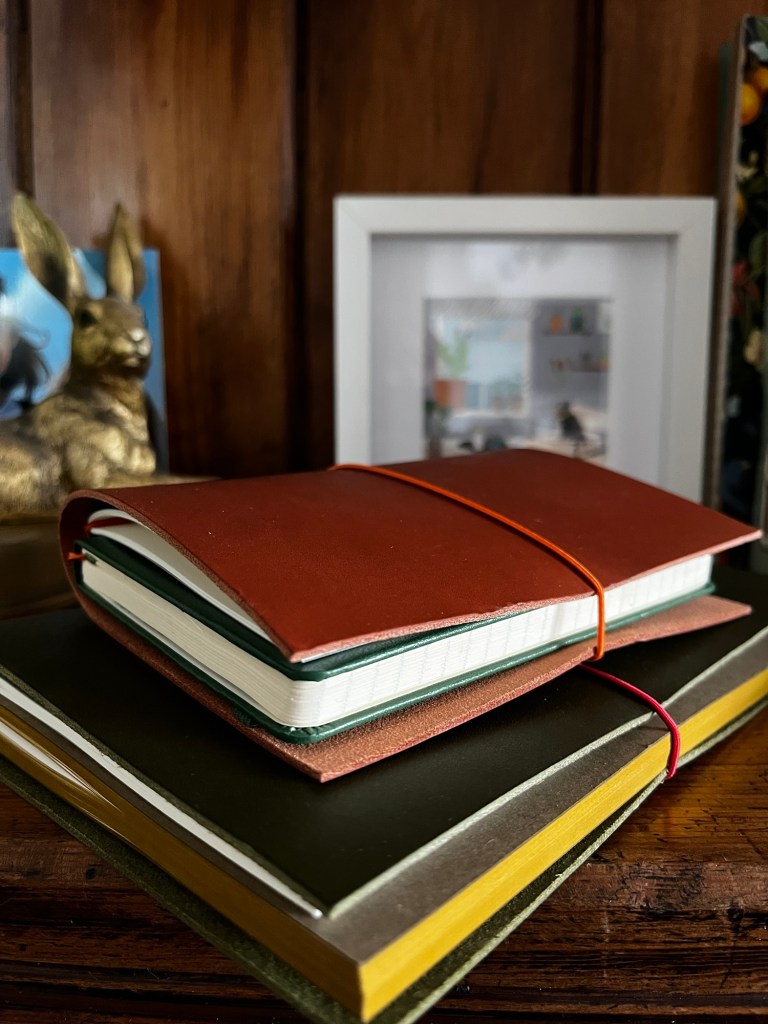
I have purchased two new leather notebooks. One pocket-sized, which can go in my handbag, and one A5-sized, which will be my writing notebook. As these notebooks contain refills and they also allow me to insert other refills, I won’t need to buy any new notebooks.

Ignore my judgy Harris – the brass hare, in the photo. Harris knows nothing about my notebook addiction.

These notebooks whispered to me, ‘You’re the kind of woman who writes important thoughts.’

With these beautiful notebooks I won’t have that worry about spoiling them. I mean, I have had them a week or so, and both are still empty, but the ideas will soon start flooding, and they will be well used in no time (Lie 3).

I don’t need lots of notebooks in life. I can work on 2 maximum. (Lie 4).

Up until now buying a new notebook has been my go-to response at the sign of a life problem. Whenever my life has chucked a curve ball at me I will pop out and buy a notebook, These new notebooks will stop this. (Lie 5)

Big ideas are coming, readers. My new notebooks and I are ready for them.

I can’t wait to update you all on….my failed attempts at not buying anymore new notebooks 🤣

Harris the brass hare needs to stop giving me judgy looks as I sit here and stroke my new notebooks.

Learn more about me

🪞 Writing About Magical Mirrors

Featured

Mondays have become a lot more interesting for me now that I can share my writerly thoughts on cool topics like time loops, curses (future posts), and now, magical mirrors.

I need a magical mirror in my house. One that guarantees me a reflection where I look 10 years younger and two stone lighter – ha! Waking up and gazing at my reflection would be such a wonderful experience. There would be no more groans, sighs, counting of new wrinkles, grey hair spotting, gasps or screams (when I am in my allergy season).

Let’s talk about magical mirrors and adding them to your stories.

Mirrors can bring tension, symbolism and wonder to your tale. With a sprinkling of creative magic you can do all sorts of fun things using your magical mirror. It can distort reality, explore a mysterious part of the person gazing into it, reveal hidden truths or act as a doorway to another world.

If you looking at add a magical mirror here are some things to think about:

  • Decide the mirror’s primary function is: is it a portal or a doorway to another world? Does it reveal hidden truths about a person’s character, or does it show something about the future?
  • Use it to explore interesting things: Shame or regret (oooooh!) or who I could have been? (Oh gosh!) Characters who are lying to themselves are so much fun to write. Use the mirror to show them things they don’t want to see or accept.
  • Cracked mirror fun: Let the mirror crack to signal the end of something or someone – gasp! For me, as a romance writer, it could signal the end of a relationship. Cracked mirrors are so unsettling as well so you will be building tension.
  • Shake things up a bit: Maybe it could show someone else? Or another place or time? This is a common theme amongst magic mirrors generally: mirrors don’t lie – well maybe your mirror could lie?

💖 Now I do love a spoonful of romance so here’s some considerations:

❤️ Does the mirror show a future love?

💔 Does it show a romantic betrayal (oh gosh!)

👰🏼 Does it show their wedding day but they are not marrying their love interest

🙈 A mirror that shows what your love interest dislikes about you (enjoy! 😜)

😱 It cracks to show the love is over

Get those magical mirrors in your stories 🪞

I am off to search for a magical mirror which makes me look like a supermodel – sigh!

I am going to add the link to a fascinating post from my friend Icy Sedgwick – called Spells & Scrying: Mirrors in Magic, Mythology & Folklore. The Mirror Superstitions section is fabulous!

⏰ Groundhog Day But Better: How to Craft Time Loops In Your Fiction

Featured

I am a fan of books and films where characters get stuck in a time loop and are forced to relive the same moments.

My love of time loops probably stems from watching the movie Groundhog Day. I can still remember sitting on the sofa, shovelling popcorn into my mouth and watching that 1993 comedy with Bill Murray and Andie MacDowell. It is a story of a man, Phil Connors, who lives the same day over and over again. Initially, he is a cynical and selfish weatherman, but by the end, after reliving the same day repeatedly, he begins to help and connect with others.

I love time loop stories because the characters get to learn from past mistakes, see the consequences of actions and immediately put that knowledge to good use.

Over the years I have read some great time loop stories:

  • The First Fifteen Lives of Harry August. Every time Harry dies, he’s reborn into the same life.
  • Before I Fall by Lauren Oliver. The character relives the day of her death over and over again until she can rewrite her legacy.
  • The Opposite of Always by Justin A. Reynolds. The character keeps reliving the moment his girlfriend dies.
  • In a Holidaze by Christina Lauren.
    Her character is stuck reliving the same Christmas holiday until she figures out what (and who) she really wants.

As I am in my speculative writing era, here are some things to think about if you are writing a time loop:

  • Time loops are not gimmicks. They are clever tools for character transformation. It took me a while to see this, but it is true. The time loop forces a character to change. The character isn’t in charge of the time loop and this is what makes it cool. The only control they have is their reaction to the loops and doing unpredictable things to find a way of breaking it. You need to think about what sort of transformation you want your character to have. Is the time loop a tool for helping your character process grief? Facing an emotional truth? Or fixing a broken relationship? Think about Groundhog Day and the transformation Phil Connors goes through.
  • Make the repetition feel fresh. There is a real danger with time loops that readers will get bored of the repeated moments. Don’t replay full scenes unless something significant changes.
  • Make your character relatable and interesting. The reader is going to go through a lot for this character.
  • The stages of your character accepting they are in a time loop and getting out of it. 1. repetition / confusion. 2. Fun experimentation. 3. Frustration. 4. A new hope. 5. Resolution.
  • Rules of the time loop are key. You need to establish these early on: when does the loop get reset (examples might include death, midnight, or a specific decision)? Who remembers the time loop? Is it just the main character, or are there others who also remember it?
  • It’s all about the exit strategy. How does your character break the loop? This is so important. To break the loop do they need to have learned something about themselves? Have they decided to change themselves? Or have they decided to forgive? This goes back to the purpose of the time loop and the transformation it is giving to your character.

As a romance author here’s some of my thoughts on how we can use time loops:

  • ❤️ Exploring -The One That Got Away.’ Fate gives your characters a second chance at a break up they never got over or a confession they need to have made. Love this!
  • 💔 To let someone go. Think lost love or processing grief, perhaps. Yes please and I will bring my box of tissues.
  • 🔥 Forced proximity. Trapped with your ex in a time loop – yikes! This has great potential and the stakes are high if enemies to lovers.
  • 🙈 Choosing the wrong person. The time loop forces them to see the error of their ways. Yes, yes, yes!

Enjoy writing your time loops.

Learn more about me here

💖 Love, Lost and Found: Mastering the Second Chance Romance Plot

This blog post is going to help my writer brain focus on one of my current projects. I do hope someone else out there writing a second chance romance finds it useful.

Second chance romance is one of my favourite romance tropes. I could read these stories all day.

One of my current projects focuses on a second chance romance so I could really do with going back to basics with the trope in order to revise my story.

Below I have come up with a list of all the things to consider when writing a second chance romance.

How did they initially connect?

Were they childhood sweethearts? Maybe they met at work?

The secret here is readers need to see and feel how good that connection was between these two beautiful characters. This breathtaking romance has to be unforgettable for both readers and the characters.

Why did they split up? What made them walk away from each other? Were they too young? Was it a case of bad timing or did one hurt the other? What broke them?

Readers need to understand what made these characters go blubber into a box of Kleenex, wedge chocolate into their mouth and go for long solitary walks in the rain.

What personal growth have they experienced? What has life taught them in the years they were apart? What did other relationships teach them? Have they thought about why they have never connected with anyone on the same romantic level as they did with each other?

What made them want to give their relationship another chance? Why can’t they disentangle from each other’s lives? What has made them come together again? Why salvage a broken relationship?

The reader must understand and agree with these decisions. There must also be that old connection and the chemistry.

What stuff have they overcome? Have they resolved the old conflict? Readers need to see how these two characters might have had different priorities that caused their breakup. But now that those priorities have changed, so, maybe there is still a chance for them to work it out. It could also be a case of these two characters making mistakes and generally causing an emotional mess.

The reader needs to believe these two have changed for the better.

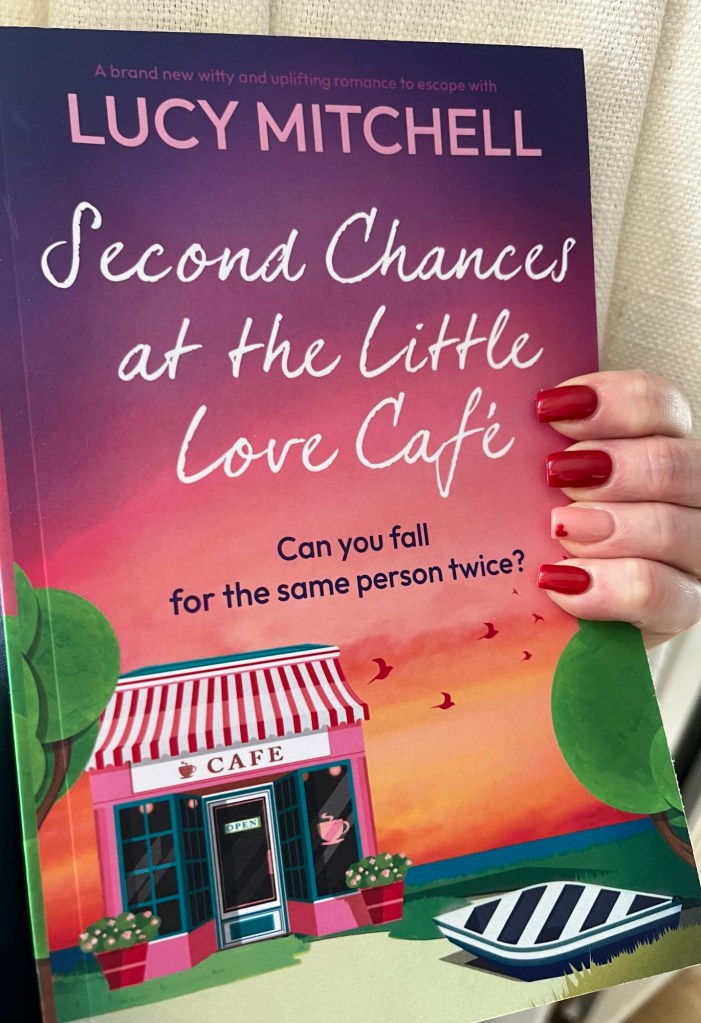
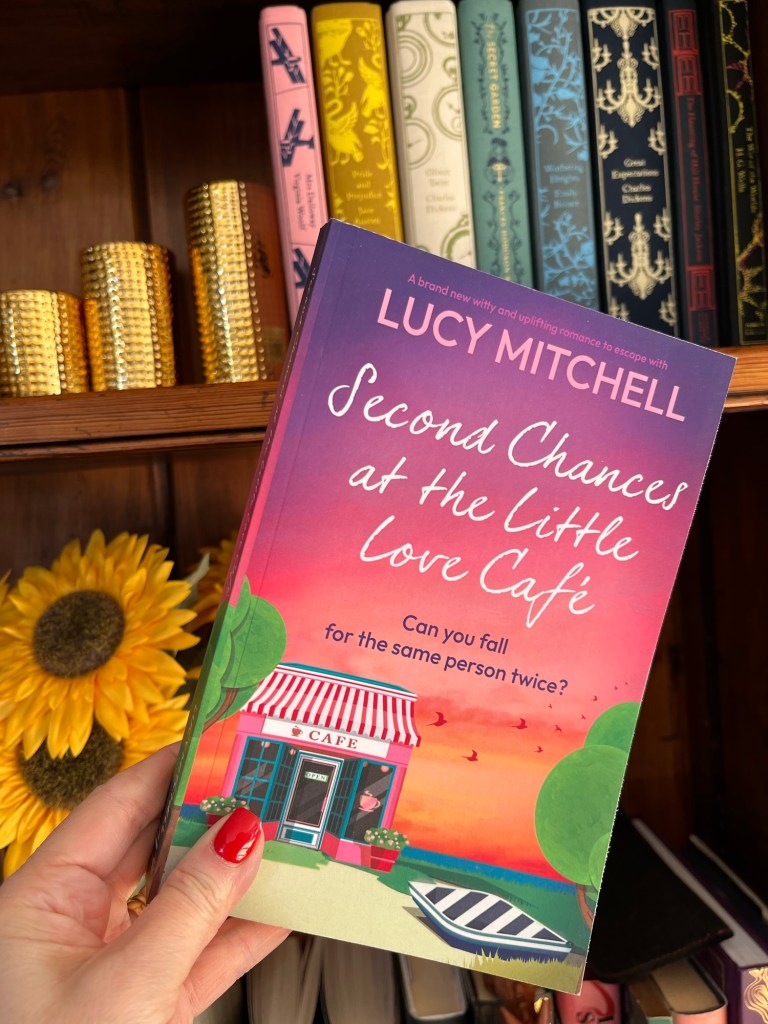
Here’s my second chance romance which got published:

Second chances at the Little Love Cafe

It’s never too late to try again… 💕

‘Must read summer book’ ⭐️⭐️⭐️⭐️⭐️

‘A fantastic uplifting read that takes you direct to the cute Little Love Cafe.’ ⭐️⭐️⭐️⭐️⭐️

Click here for more